How to Tell If a Laptop "Deal" Is Actually a Good Price
With laptop prices climbing industry-wide, here's how to check whether a discount is real before you buy.
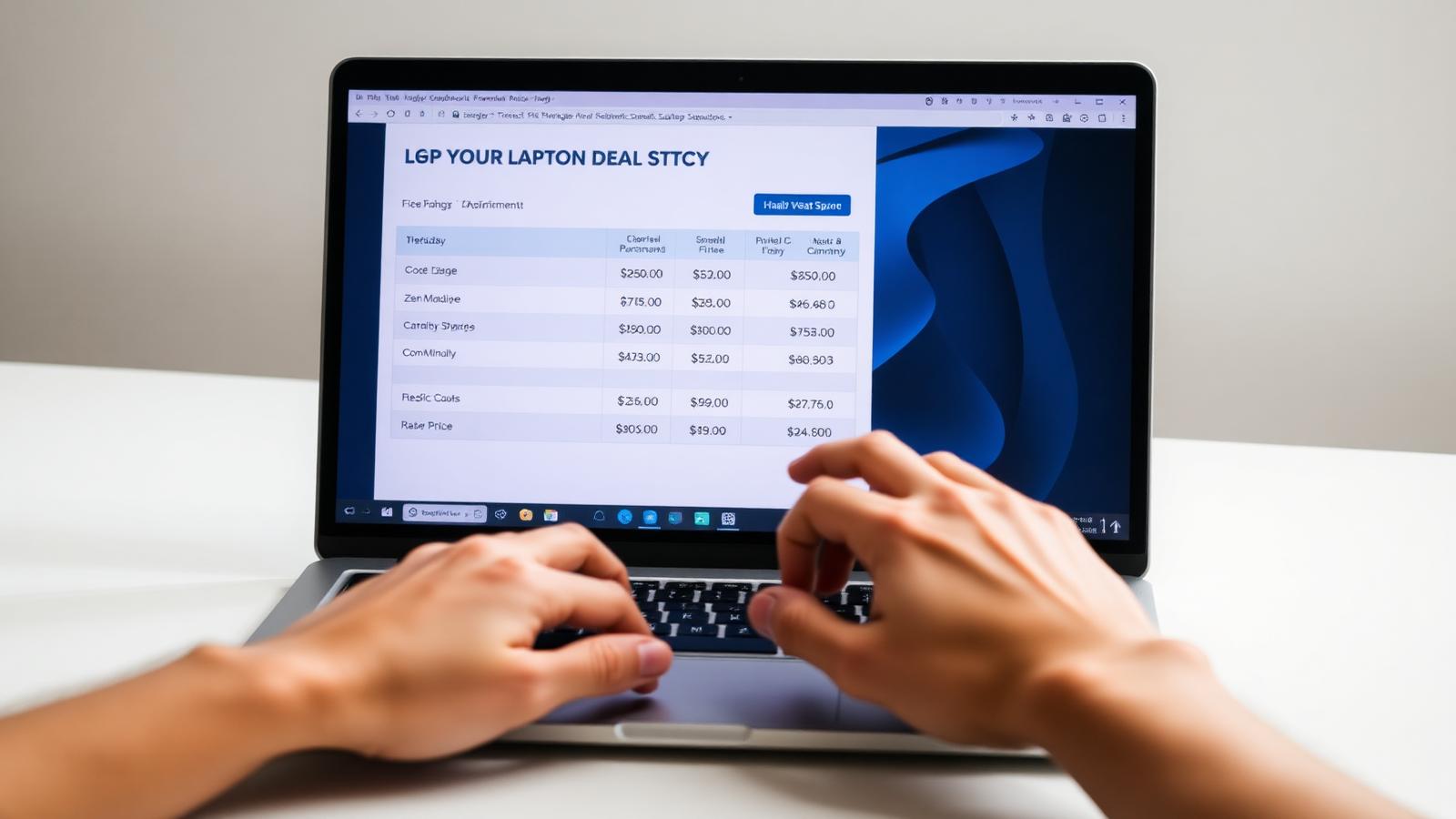
Retailers are running "was $999, now $799" banners on laptops constantly, especially during back-to-school and holiday sale windows. Some of those discounts are genuine. Others use an inflated "was" price that the laptop rarely, if ever, actually sold for. With component costs rising across the industry in 2026, it's more important than ever to check a deal before trusting the sticker.
Check the price history, not just the sale badge
Before buying, look up the laptop's price history on a tracker like CamelCamelCamel (for Amazon) or a similar tool for other retailers. If a laptop has genuinely sold for $799 multiple times over the past few months, a "was $999, now $799" tag is probably accurate. If the tracker shows the price has never actually been above $820, the "was" price is inflated and the discount is smaller than it looks.
Compare the same configuration across retailers
Laptop model numbers often hide small configuration differences, like a 256GB SSD instead of 512GB, or 8GB of RAM instead of 16GB, that make two "identical" laptops at different prices not actually comparable. Before comparing prices between Best Buy, Amazon, Walmart, and a manufacturer's own site, confirm the RAM, storage, and processor match exactly. A $100 gap between two listings is often not a deal at all, just a different spec sheet.
Watch for open-box and refurbished mixed into search results
Search results and price-comparison sites sometimes surface open-box, refurbished, or previously-owned listings alongside new units without making the condition obvious at a glance. A refurbished laptop at a steep discount isn't the same deal as a new one at that price. Check the condition listed on the actual product page, not just the price shown in search results.
Know the real sale calendars
Retailers cluster their deepest laptop discounts around a few predictable windows: back-to-school (late July through mid-August), Black Friday and Cyber Monday (late November), and sometimes a smaller dip around Presidents' Day in February. A "flash sale" outside of those windows is worth extra scrutiny, since it's less likely to reflect genuine seasonal clearance and more likely to be a marketing push on a price that isn't actually lower than normal.
Factor in the 2026 memory price increases
Because DRAM and SSD prices have been climbing sharply through 2026 due to a global memory shortage, some laptops are being sold at what looks like a discount off an already-raised list price, rather than a discount off the price the laptop launched at. If a laptop's list price jumped in the past few months and then got "discounted" back close to its original launch price, that's not really a deal, it's a return to normal.
Do the simple math before you trust the percentage
A "40% off" badge on a laptop that was already marked up 30% above typical retail nets out to a much smaller real discount than the badge suggests. Add up the actual dollar amount saved compared to what the laptop has sold for elsewhere recently, rather than trusting a percentage calculated against an unverified original price.
“A $100 gap between two listings is often not a deal at all, just a different spec sheet.”
Keep reading
More in How-To

How-To
How to Speed Up Your Laptop in 5 Minutes
No new hardware required. These quick fixes target the most common causes of a slow laptop.
Sara Judy
How-To
How to Remove Bloatware From a New Laptop
Most new Windows laptops ship with trial software and manufacturer apps you didn't ask for. Here's how to clean them out safely.
Sam Clark
Buying Guides
Best Gaming Laptops Under $1,000 (September 2026)
Five gaming laptops that run modern titles at 1080p without crossing the four-figure line, ranked by what actually matters in games.
Sara Judy